LEE & LINCOLN
by William Thomas
Historical Fiction
Lee was awoken not by the company's bugler but the high-pitched trill of of a screech owl. This eerie reveille was joined by the brief plaintive cooing of a Mourning dove. Did these haunting tremolos herald surcease or foreboding?
Why spoil a moment devoid of rebel yells and yankee thunder? Lee — not “General Lee” just now, but simply the “Bobby Lee” his beloved wife, Mary Anna Randolph Curtis Lee called him — preferred the early mornings. Before his men stirred from uneasy slumber wracked by hideously disfigured ghosts and gathered in small groups, those who still had tobacco lighting scarred pipes. No need for cooking fires. There was nothing to boil or fry.
So quiet, Lee thought in the deeper silence that followed. The early blooming wisteria and blue violets carried the perfumed fragrances of the Rose of Arlington's powdered bosom, which he longed to lay upon once again if the good Lord ever deigned to again grant him such rest. Until their reunion, he knew, the guns would speak of their terrible need. And the butchery, so antithetical to womankind, would resume.
This April morning’s interlude was a blessing in a long and difficult campaign that had seen little respite. Unseen birds were heralding their delight in another morning, as if they had never heard the cries of the maimed for their mothers or the thunderous engines of war. In these fleeting moments of nature’s glory, with the day’s first breeze rattling the leaves of silver maples and red oak, it was almost possible to think of peace…
Jingle of saber and saddle through the trees, followed by a cleared throat close behind. “Beggin’ the genr’l’s pardon. It is the time agreed upon.”
“Thank you, colonel,” Lee addressed his aide, turning to him with a wan welcoming smile. “Let us proceed. Leave your sword and pistol and come forward with me.”
“Yessir. All the boys is a-waitin’, genr’l. Them murderin’ bluebellies try anythin’ and we…”
“Stand down, colonel. Mr. Lincoln is an honorable man.”
“Yessir.” Though this time, less promptly. And certainly less convincingly.
Breaking from a copse of Southern red oaks, General Lee held his twice-wounded Traveler to a slow, dignified walk. His frowning lieutenants trailed some short distance behind, clearly unhappy with this scheme. On the field’s far end, a black coach, appropriately enough drawn by two black mares, approached as if awaiting the Confederate cue. At the meadow's center, guerdons of both the North and South marked their rendezvous. The lone rider and that dark car halted facing each other across a short stretch of ground.
Like some old testament prophet, Lincoln unfolded his improbable length from a borrowed conveyance never intended to shelter a scrawny giant. I’d like to wring this man’s neck with my bare hands, the president thought, measuring his opponent after all those long, sanguinary years. But by God he can sit a horse.
Lee dismounted stiffly, handing over his reins to his adjutant.
A a bayonet’s thrust distant, the commanding general of the Army of West Virginia came to a boot-slapping halt and saluted. Lincoln nodded back. Before either man could speak, a mischievous gust whisked that trademark stovepipe hat off Lincoln’s unruly pate and sent it sailing toward the rebel mob. Surprising them both, General Robert E. Lee reached up without looking and snatched it from the air with one gloved hand. Bowing curtly, he handed it back.
Men at both ends of the field cheered.
“Why General Lee, that was well-played,” Lincoln said, accepting the return of his cover but making no move to further tempt indignity. “I believe that’s the term. Perhaps when this unpleasantness is over you can try out for our new sport. ‘Baseball,’ they’re calling it. Whatever that might mean.” The president hazarded a jest. “If you are as handy with that sword, should I fear for my life?”
General Lee said nothing. Where was this man’s fabled propriety? Finally he replied, close-lipped, to this insult on Southern honor. “You are quite safe with me.”
President Lincoln registered Lee’s tone and the absence of an honorific. And his own error. This hard-bitten Virginian looking up at him like Jesus’ own judgement was utterly devoid of humor. Why wouldn’t he be?
“General Lee, I know I am in safe hands,” he started again. He meant the Union Army. But he did not voice this thought. “My apologies for my intemperate tone. It has been a trying time for us both.”
Lee nodded curtly.
“Please proceed with your parlay. I take it you have come seeking terms of surrender,” the Great Emancipator continued.
Lee reacted as if slapped. “Mr. Lincoln, sir…”
“’Mr. President’ will do.”
“I fear, Mr. Lincoln, you are under some misapprehension as to my intentions for this meeting.”
Now it was Honest Abe’s turn to show surprise.
“If not surrender, what then, general? You have come, sir, to offer me terms? Perhaps to demand General Grant’s capitulation?” The President of these not-yet-reunited states permitted himself a quick, tension-dispelling chuckle. Which achieved nothing of the kind.
“An armistice, sir. I propose a general laying down of arms and an honorable pledge — on both sides — not to renew hostilities.”
“A mutual surrender without anyone actually surrendering,” the president clarified.
“There is no need to speak of surrender,” Lee pressed, as ramrod straight as his arthritis allowed. His white-gloved right hand rested easily on the tasseled pommel of his dress sword, which he’d been permitted to retain for the sake of dignity in front of his soldiers. The gesture was not threatening. More like someone touching a reassuringly familiar talisman while his entire world — everything he believed in and held dear — lurched and stuttered towards unutterable ruin.
Lincoln’s temper, always quick to rise when sensing trickery among his own generals, took on a firmer tone.
“General Lee. Do you apprehend what lies out of sight behind those few observers arrayed on the ridge behind me? I refer to the men and machinery of war hidden from view below that military crest. Certainly your mounted scouts have appraised you of what awaits your army there.”
“Why I believe they have, sir. A Pharaoh’s legions. Tents and tethered horses to eternity.”
“As well as a dozen batteries of artillery and mortars. Fifty-thousand men under arms. With two more armies coming up to encircle this glade. If your brave men embark on a futile last stand I know we both want to avoid, they will, yes, unleash a final volley, causing yet more carnage among their fellow Americans.
Lee blinked at the notion. Not of further bloodshed. But... fellow Americans.
“Then the survivors still standing amidst our counter-fire will spend another long minute ramming home another cartridge on top of the ones, which in their excitement they did not fire, whilst my most exasperated boys in blue will continue pouring unceasing volleys of massed carbines into their ranks.” Lincoln paused for effect. “Without pausing to reload.”
Repeaters, Lee breathed. As if naming the wrath if God.
“I am told we’ve even brought up a brace of Gatlings,” Lincoln went on. “I am sure you have encountered their unwelcome hellfire. Perhaps more than oncet.”
Bobby Lee’s eyes showed that he had.
“Now kindly turn and inspect your scarecrow army.” Adding quickly, “A simple point of fact, general. I mean no disrespect."
Lee waited. Lincoln did like to jaw.
“Farragut’s control of the Mississippi and our seizure of every rail line west of that thoroughfare has cut off all supplies to those remnant rebel forces still taking potshots at General Banks' pursuing divisions in Louisiana's swamps."
Though Lee was offended by Lincoln's inability to properly pronounce "Louisiana", he held his tongue. No need to mention Taylor's crushing humiliation of the 12,000 strong Union column at Mansfield...
"Harbor no doubt that they will soon be subdued," Lincoln broke into his thoughts. "That's it, sir. That is all. Except for those hapless holdouts, your entire army occupies the far end of this well-trampled field. As a former Superintendent of West Point, with skills commendably honed under fire while in federal service in Mexico, you are a fine student of ground. As we have learned to our cost. We can both see there is not cover for a field mouse marching at the quick step across this open expanse.”
Lincoln stopped abruptly, as if having exhausted his immediate ration of words. Though the president’s reference to Pickett’s stirring yet foredoomed mile-long charge through endless volleys of cannonballs, grape and enfilading musket fire remained unvoiced, it was plain to see that the traitorous general standing across from him had also journeyed back in time... Remembering. Comparing. Any assault attempted here against the massed Yankee guns would be a brief parade.
"I am not a traitor to Virginia sir," Lee reposted.
He did not turn. He did not have to. He had already scanned this potential killing field and his “scarecrow army” as his beloved white charger stepped from the wood. A thousand men under arms. Maybe. Footsore. Racked by rickets and the onset of scurvy. Unable to recall their last meal. Proud. Stubborn. Defiant. With powder and ball for perhaps two volleys. No more.
“Desertion is thinning your ranks even faster than our cannoneers,” the improbably configured president went on. Not in boast, but quiet reminder of an impossible situation. “What do you suppose would happen if I ordered a battalion forward to start cooking bacon and fresh coffee for your people?”
My boys would break ranks and enjoy a good breakfast, Lee thought. And was instantly shamed. Aloud he said, “I did not take you for a cruel man.”
“I am prepared to be magnanimous,” Lincoln said without smiling. “But let us hear no more talk of ‘armistice’. Your side started this rebellion, general. And by God, my army will finish it here — today — if that is your wish. Though I see no glory in further resistance.”
Lee remained silent, thinking of Northern invasions, scorched earth, the eternal bitterness of defeat.
Reading this, Lincoln tried once more. “Come, general, the end is in plain view. Let us cease this terrible bloodletting. Right here. Today.”
“Now you are offering me terms,” Lee managed, as if swallowing a hearty sip of lye.
“That I am,” said Abe Lincoln.
“And those terms are?”
“They are most generous, general. Out of respect for their valiant (if misguided) fight, after signing the parole you have already suggested, every man under your command will be allowed to return home with their musket and horse or mule. It’s harvest time. And the South is hungry.”
Because Sherman has burnt every secessionist state south of Tennessee to the ground, both men thought at once.
“These implements will come in handy in the days and weeks ahead. As will your men’s presence — honorable presence,” the president hastened to append, “at home.”
“And myself, sir?”
“My generals and advisers want to try you for sedition and see you hang.”
Lee stiffened. A sharp-eyed corporal at this near end of field jumped to his feet. Said quietly, “Hey, boys.”
The mostly barefoot men around him rose as one in rags of butternut, gray and captured blue and started for the muskets stacked a hundred paces to their rear. At this, more of their comrades also came to their scantily shod feet. Until sergeants barked commands. And the entire assembly begrudgingly resumed their lumpy seats. Or simply sprawled on the dusty grass as if shot down at last.
“Plenty of spark left in your boys,” Lincoln turned back around to compliment his foe. “And I do not doubt their desire and ability to inflict further hurt on my boys. Before they are winnowed like wheat in a field better served by applying the plow. Will you harvest the grains of life, General Lee? Or the guts and gristle of more wasted lives?”
A sigh shook Lee’s body in a withering volley of grief for the South he had lost. And might yet regain. But only under the Stars and Stripes of the despoilers of this sacred soil. Before he could respond — if he could respond — Lincoln said, “General Lee, I am told you have freed your house and field slaves. With such a fine example, is it not time the South followed your lead?”
“And the North, as well.” Lee spoke at last.
Lincoln darn near slugged him. Instead, he said quietly, “And the border states, as well. Let us abolish this wicked practice together for once and all.”
As if awakening from the lingering spell of war, both men fell silent. As did the usual morning chorus of sparrows, towhees and chickadee. Indeed, the world seemed to hold its breath. Would stubborn pride win out? Would a slaughter such as had never been witnessed on this earth play out its final momentum and resume?
As the moment stretched toward some awful denouement and Lee’s tortured countenance flickered between resignation, loss, and renewed revolt, Lincoln felt the first stirrings of fear. Before the rebel leader could utter a last act of defiance that would not only martyr the remnants of his army but any hope for the peace that might — had to — follow, the president spoke.
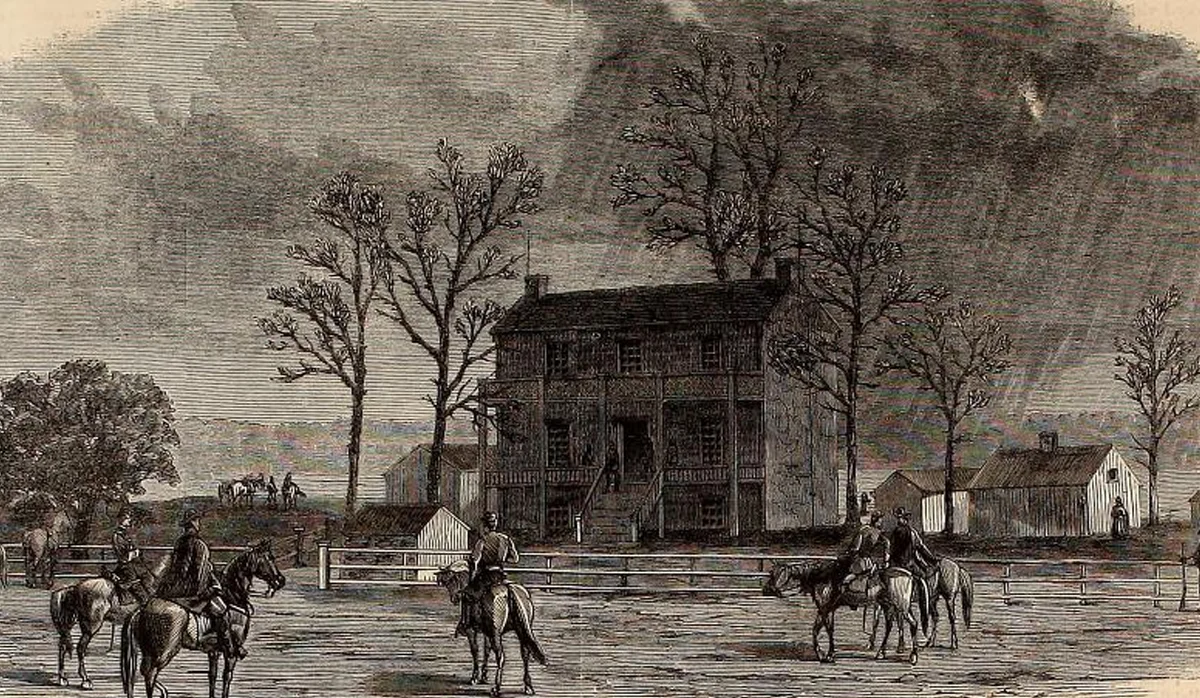
“General Lee, with respect for your men and a fight well fought, do not answer now. There is a humble but well-kept courthouse not far from here. At a place called Appomattox.”
“I know that place,” Lee said in a voice grown abruptly and permanently old.
“The owner, who moved his family there to be safe from the war that nonetheless overtook them, has agreed to its use. Think on our conversation. And if it is agreeable to you, send a runner under white flag before noon tomorrow, and we will meet there amicably to sign the terms I have outlined.”
Lincoln wanted to add, I personally guarantee that your army will be treated with respect. Your men will be fed and their wounded tended. No one, including yourself, will face a prison cell once your paroles are in hand. But he forebear making an offer that — until the final papers were proffered and signed — would be taken as both slur and bribe.
Lee spoke. “Sir, I am relieved there will be no further hostilities today. Let us see what the good Lord wills and the morrow may bring.”
Lincoln considered this. “General, have you ever pondered how it is we both pray to the same God for victory?”
Lee had. Often.
“I leave those questions to Him, sir.”
“Yes. Well. I just wish He had made up His mind four years sooner.”
“We are but instruments of His will, sir.”
Weak, vain, imperfect instruments at best, Lincoln thought. But again, he kept his remarks to himself.
“Very well, general. I shall await your reply.”
Lincoln bowed briefly, a courteous tip of his head. Lee snapped a crisp salute, performed as smart an about-face as his old bones permitted, and strode back to his horse. The meeting was over.
An armistice had not been signed. But as if sensing change in the air, the birds renewed their chorus at even higher volume. And for the first time in a very long time, the day promised fair.
Illustration
Surrender at Appomattox 1865, McLean House -artist unknown